How Humidity Control Works With Your Orlando AC System
Published: 2026-04-25 · By BreezePro Air Conditioning Repairs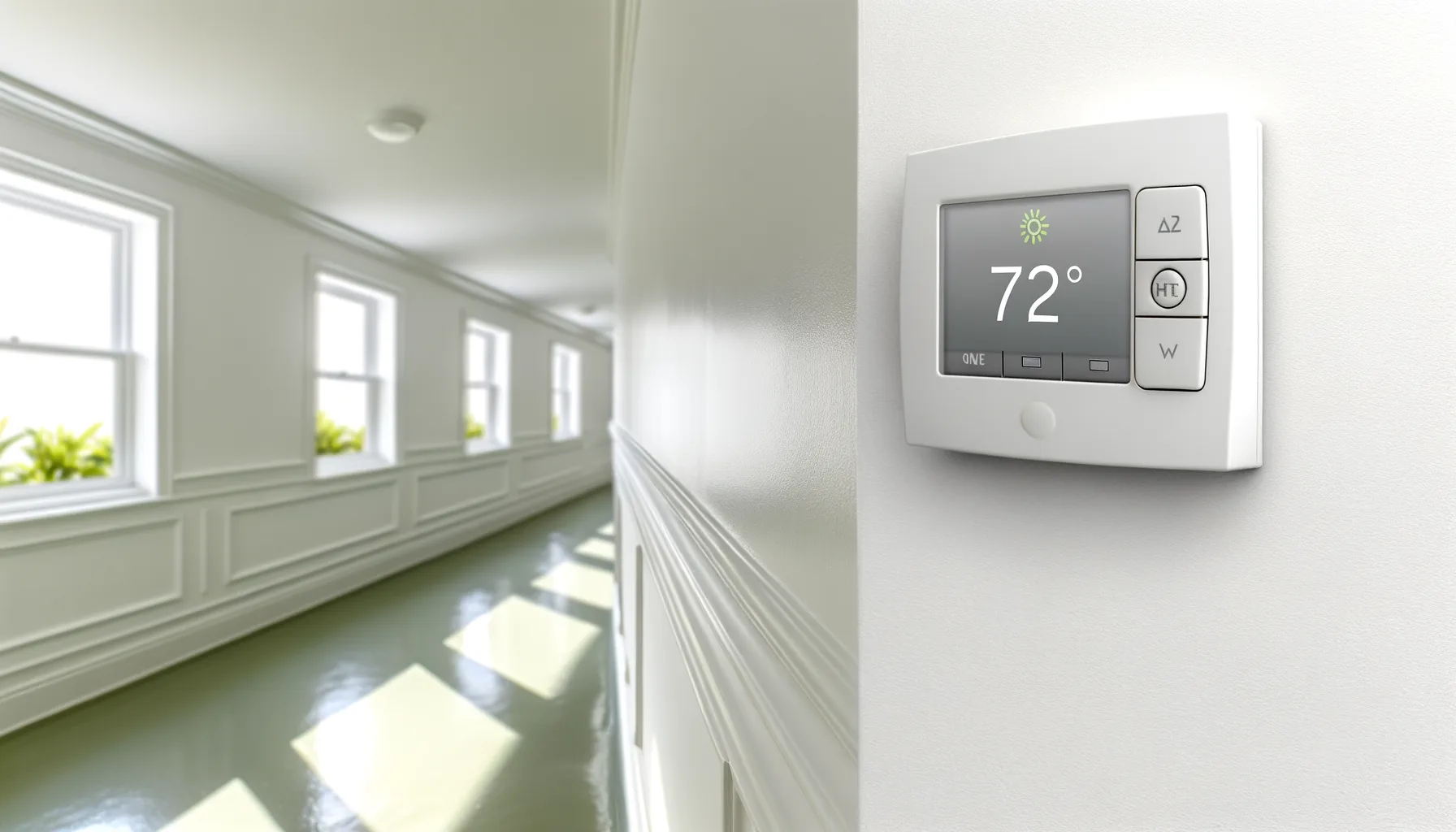
As you step inside your home after a long day in the Orlando heat, you immediately notice the suffocating humidity clinging to your skin. The muggy air makes even the simplest tasks feel like a chore. This scenario is all too familiar for many residents in the Sunshine State, where high humidity levels can wreak havoc not only on comfort but also on your air conditioning system's efficiency. Understanding how humidity control works with your AC unit is essential to keeping your home comfortable and your system functioning optimally.
Why This Matters for Orlando Homeowners
Orlando’s humid climate poses unique challenges for homeowners, making effective humidity control vital. Excess moisture can lead to mold growth, musty odors, and, unfortunately, damage to your heating, ventilation, and air conditioning (HVAC) system if left unattended. In fact, homes located in coastal areas are especially vulnerable to salt air corrosion, which can exacerbate these humidity-related issues. Elevated homes and moisture barriers are necessary to combat these threats, yet they often fall short without proper HVAC maintenance.
The constant struggle between humidity and indoor air quality requires homeowners to be vigilant. Summers can feel intense, with humidity peaking, making your home sweltering despite the AC’s efforts. If you notice your air conditioning isn’t cooling effectively or you see condensation on windows, these may be signs of humidity imbalance. Investing in regular HVAC checks from professionals like BreezePro ensures your system is well-equipped to handle Orlando’s challenges.
Tip: Regularly changing your AC filters can help improve air quality and humidity levels. Aim to do this every 1-3 months, especially during peak usage seasons.
Expert Solutions & Actionable Tips
1. Investing in a Dehumidifier
A standalone dehumidifier can significantly enhance comfort in your Orlando home. Many residents find that running a dehumidifier alongside their AC unit improves overall air quality and reduces moisture-related problems. Expect to pay between $200 to $600 for a quality unit, with installation costs averaging around $150. When humidity levels are consistently above 60%, consider this upgrade to protect your furniture and health.
2. Routine HVAC Maintenance
Scheduling regular maintenance is crucial for prolonging the life of your AC system. This typically involves inspections and cleaning, costing between $75 and $150 per visit. It's advisable to schedule maintenance at least twice a year, particularly before the hot summer months. Professionals in Orlando, like BreezePro, will check for signs of wear and ensure that ducts are clear, allowing for better humidity control.
3. Sealing Your Home
Proper sealing of doors and windows is essential in controlling indoor humidity levels. Homeowners may spend around $200 to $500 for high-quality weather stripping and caulking. An airtight home reduces the amount of humid air entering, allowing your AC unit to perform efficiently. Furthermore, consider installing storm windows, especially during hurricane season, which safeguard against moisture infiltration.
4. Utilizing Smart Thermostats
Smart thermostats can optimize humidity control by adjusting temperatures based on moisture levels in real-time. Units range from $100 to $300, and installation can take less than an hour. These devices learn your habits and adjust settings to balance humidity automatically, promoting energy savings while ensuring comfort. This tech is particularly beneficial in Orlando’s changing climate, and can alert you if humidity spikes unexpectedly.
5. Investing in UV Lights
Installing UV lights in your ductwork can help reduce mold and bacteria growth, which is paramount in Orlando’s humid climate. These units generally cost between $300 and $800, including installation. The lights work continuously, helping maintain cleaner air and protecting your HVAC system from excessive moisture buildup over time.
6. Understanding Humidity Measurements
Most indoor spaces should maintain humidity levels between 30% to 50%. Invest in a hygrometer, which can typically be found for $10 to $30. Regularly measuring indoor humidity will inform you when additional steps are necessary, such as running a dehumidifier or consulting with HVAC professionals for system adjustments, particularly during Orlando’s summer months.
Orlando Climate & Local Context
Orlando’s subtropical climate is characterized by high humidity levels that can linger throughout much of the year. Homes in this area often face the constant threat of moisture damage, especially with the unique stressors of salt air and tropical storm seasons. Elevated homes with moisture barriers are essential for protecting infrastructure, but a well-functioning air conditioning system is equally important for maintaining comfort.
The local building stock often includes homes designed to combat humidity, but this comes with a necessity for precise climate control. Regular inspections and compliance with local building codes are vital to ensure your AC unit is functioning correctly. Failing to address humidity effectively may lead to excessive repairs or even system replacements in the long term.
When to Call a Professional
While many minor repairs might be tackled independently, there are specific scenarios when it's best to call in a professional like BreezePro. A skilled technician will have the right tools and knowledge available to address complex AC issues properly.
- Foul odors or mold found near the AC unit.
- A significant increase in energy bills without an apparent cause.
- Pools of water or leaks around the AC unit, signaling potential refrigerant lines failure.
- Cooling issues that persist even after filter changes.
- Strange sounds such as hissing or clanking from the unit, indicating mechanical issues.
In these cases, relying on expertise not only provides peace of mind but ultimately saves you on unnecessary costs associated with DIY attempts.
Frequently Asked Questions
How often should I have my AC system serviced?
In Orlando, it's advisable to service your AC at least twice a year to keep humidity levels in check and ensure your system runs efficiently.
What are the signs my AC needs repairs?
Look for signs like unusual noises, humidity spikes, and uneven cooling throughout your home. These issues often require the attention of a professional.
Can salt air affect my air conditioning?
Yes, salt air can accelerate the corrosion of AC components, making regular inspections crucial to prevent long-term damage.
How can I reduce humidity in my home?
Utilizing dehumidifiers, sealing windows and doors, and ensuring proper ventilation can significantly reduce indoor humidity levels.
What types of air conditioning systems work best in humid climates?
Systems like variable-speed units or those equipped with advanced humidity control settings are often the best choice for humid areas like Orlando.
Get Expert Air Conditioning Repair Service in Orlando
If the humidity in your Orlando home is becoming too much to handle, it's time to take action. Call (689) 215-0489 today to schedule an expert consultation with BreezePro Air Conditioning Repairs — your partner in keeping your home comfortable all year round.
Don't let humidity take over your comfort; reach out now, and let us help you achieve the perfect indoor climate!